
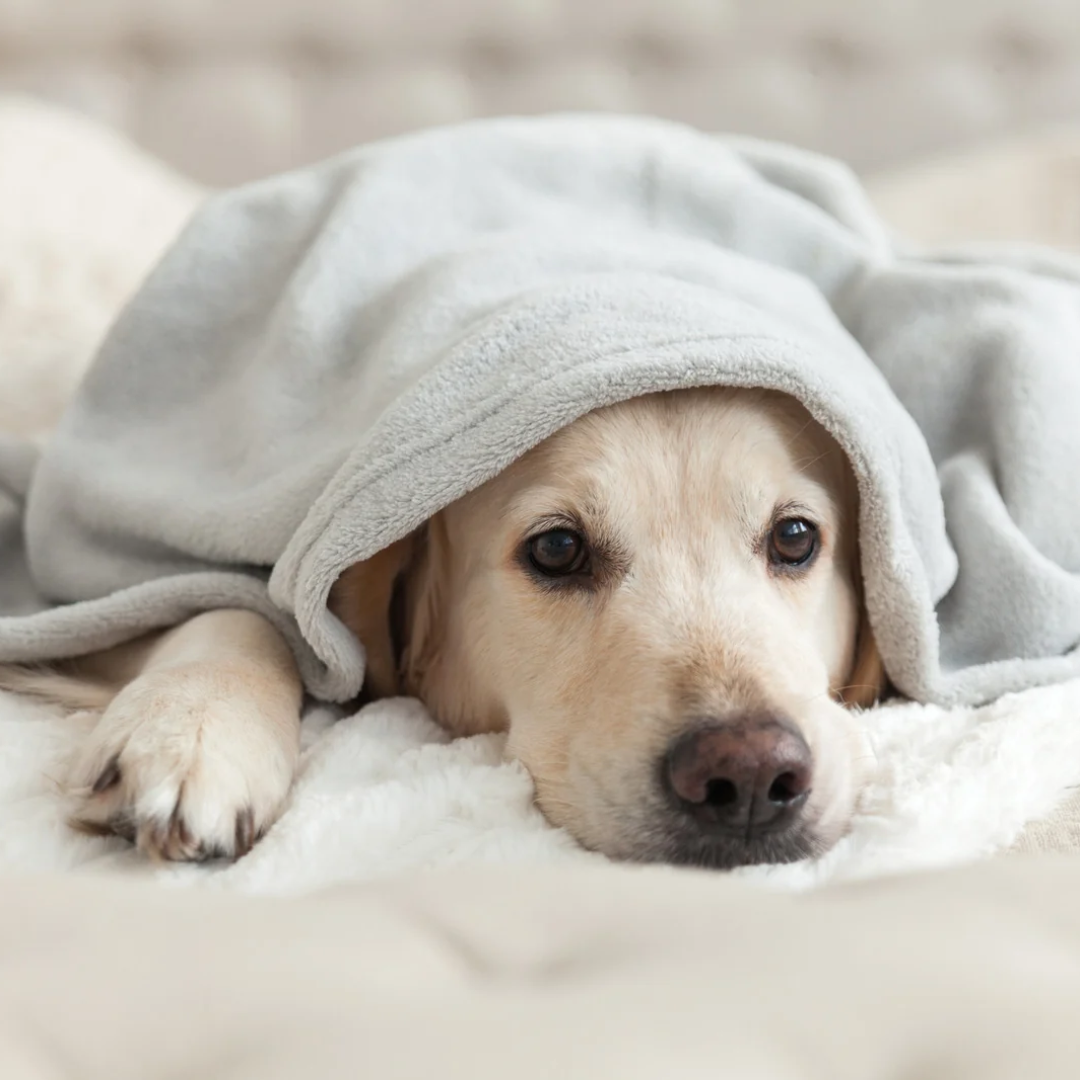
After a long, hot Florida summer, cooler temperatures are a welcome change! For those of us in Jacksonville and along the Beaches, fall and winter bring more comfortable walks, outdoor adventures, and plenty of opportunities to enjoy time with our pets.
But even though our winters are generally mild, Florida weather can be unpredictable. A comfortable afternoon can turn into a chilly evening, and an occasional cold snap can catch both pets and their owners off guard.
So, as we trade summer heat for cooler days, here are a few things every pet parent should keep in mind to help their dogs and cats stay comfortable, healthy, and safe.
1. Remember, Not Every Pet Handles the Cold the Same Way
Just because your pet has a fur coat doesn't mean they're immune to chilly temperatures!
Small dogs, short-haired breeds, puppies, kittens, senior pets, and pets with certain medical conditions may have a harder time staying warm. Even pets who love spending time outside during the summer may not enjoy the same conditions when temperatures drop.
Pay attention to signs that your pet is getting too cold, including:
Shivering or trembling
Curling up tightly for warmth
Lifting their paws off cold surfaces
Becoming reluctant to go outside
Acting unusually tired or uncomfortable
If your pet seems uncomfortable, bring them inside and give them a warm, dry place to rest. A cozy bed or lightweight sweater may help some pets stay comfortable.
2. Adjust Your Outdoor Routine
One of the best things about cooler weather is being able to enjoy longer walks without the intense Florida heat. However, don't forget that temperatures can change throughout the day.
Try scheduling walks during the warmer parts of the day when possible, especially for pets who are sensitive to the cold. On particularly chilly or windy mornings, shorter walks may be more comfortable.
And remember, not every dog needs the same amount of outdoor time. Let your pet's comfort level guide your routine.
3. Don't Put Parasite Prevention on Vacation
This is an especially important reminder for Florida pet owners!
When temperatures cool down, it's easy to assume that fleas, ticks, and mosquitoes disappear until spring. Unfortunately, that isn't how things work here in Northeast Florida.
Our mild winters allow many parasites to remain active throughout the year. Fleas can survive comfortably inside our homes, ticks can still be encountered outdoors, and mosquitoes can remain a concern during warmer stretches of winter weather.
Heartworm disease is also a year-round concern in Florida.
Continue your pet's recommended flea, tick, and heartworm prevention schedule even when the weather cools down. Skipping doses can leave your pet vulnerable when you least expect it.
4. Watch Out for Antifreeze and Other Cold-Weather Hazards
When temperatures drop, some seasonal household and automotive products become more common.
Antifreeze is particularly dangerous to pets. It can have a sweet taste that attracts curious dogs and cats, but even a small amount can cause life-threatening poisoning.
Keep automotive products securely stored, clean up spills immediately, and never allow pets near puddles or leaks in driveways or garages.
Another reminder for cat owners: Outdoor and neighborhood cats sometimes seek warmth under vehicle hoods or near tires. Before starting your car on a chilly morning, check around your vehicle and give the hood a gentle tap to help alert any hiding animals.
5. Keep Outdoor Pets Warm, Dry, and Protected
If your pet spends time outdoors, make sure they have access to a warm, dry, and protected area.
A suitable shelter should protect them from wind and rain and provide a comfortable place to rest. However, bringing pets indoors during particularly cold weather is always the safest option.
Don't assume that because your pet has always stayed outside, they will automatically tolerate a sudden temperature drop. Cold, wet, and windy conditions can be especially uncomfortable.
6. Pay Extra Attention to Senior Pets
Cooler weather can be harder on older pets, particularly those experiencing arthritis or other joint problems.
You may notice your senior dog taking longer to get up in the morning, moving more slowly after resting, or seeming less interested in walks.
A few simple adjustments can help:
Provide a soft, supportive bed away from drafts.
Keep resting areas warm and comfortable.
Use rugs or runners on slippery floors.
Allow extra time for getting up and moving around.
Keep up with recommended veterinary visits and discuss any changes in mobility.
If you notice increased stiffness, limping, or difficulty getting comfortable, it's worth having your pet evaluated. Changes in mobility shouldn't automatically be blamed on getting older.
7. Enjoy the Season, But Don't Forget the Basics
Cooler weather is a wonderful opportunity to spend more time outdoors with your pets. Whether you're enjoying a neighborhood walk, visiting a local park, or simply relaxing in the backyard, a few simple precautions can make the season even better.
Make sure your pet always has access to fresh water, keep up with regular grooming, and pay attention to changes in their appetite, behavior, or activity level.
And remember, Florida's weather can change quickly. Keep an eye on the forecast, especially when overnight temperatures are expected to drop significantly.
Enjoy a Little Florida Fall with Your Furry Family!
We may not have snow-covered sidewalks or freezing winters here in Jacksonville, but our pets still feel the seasonal changes.
A little extra attention to their comfort, health, and safety can help them enjoy everything the cooler months have to offer.
From all of us at Atlantic East Animal Clinic, we hope you and your four-legged family members enjoy a comfortable, happy, and healthy fall and winter season!
Stay cozy, stay healthy, and enjoy the cooler weather!