
New Puppy or Kitten in Jacksonville FL? What to Know
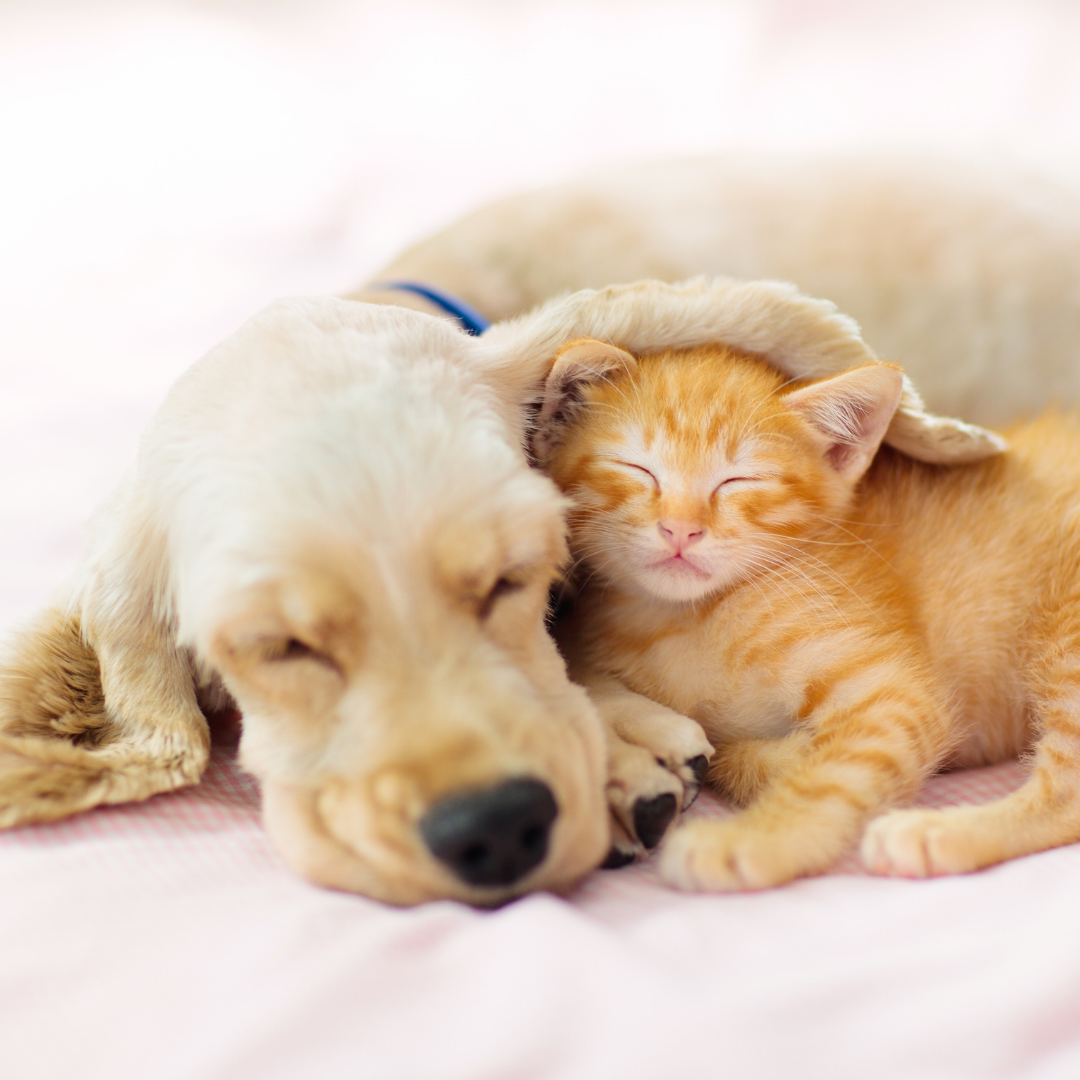
What Every New Puppy and Kitten Owner in Jacksonville, FL Should Know
Bringing home a new puppy or kitten is exciting, exhausting, adorable—and a little overwhelming. Between choosing the right food, scheduling vaccines, house-training, kitten-proofing your home, and figuring out why your puppy suddenly wants to eat the carpet, there is a lot to learn.
If you live in Jacksonville, Florida, there are a few additional things every new pet owner should know. Our warm climate, long outdoor season, mosquitoes, fleas, ticks, wildlife, heat and occasional severe weather create some unique challenges for young pets.
The good news? A little preparation goes a long way.
Here are some of the most important things to know when bringing a new puppy or kitten home in Jacksonville.
1. Schedule Your Puppy or Kitten’s first Veterinary Visit
One of the first things you should do after bringing home a new puppy or kitten is schedule a veterinary examination.
Your veterinarian can evaluate your new pet's overall health, review any records from the breeder, shelter or previous owner, establish an appropriate vaccination schedule, discuss nutrition and behavior, and develop a parasite-prevention plan.
Your puppy or kitten may need several visits during the first few months of life. Young pets are growing rapidly, and their preventive care needs change as they get older.
Bring any paperwork you received with your new pet, including:
Previous vaccination records
Deworming or parasite-treatment records
Adoption or breeder paperwork
Information about the food your pet has been eating
Any medications or supplements your pet has received
Don't wait until your puppy or kitten gets sick to establish veterinary care. Starting with a wellness visit gives you and your veterinarian a chance to build a preventive healthcare plan from the beginning.
2. Jacksonville's Heat Is a Serious Consideration
If you're new to Florida pet ownership, the heat may be one of the biggest adjustments for you—and your new puppy or kitten.
Jacksonville can experience extremely high heat-index temperatures during the summer. The City of Jacksonville advises pet owners to provide plenty of fresh water, limit outdoor activity during the hottest part of the day, avoid hot pavement and never leave a pet unattended in a vehicle.
Young pets can be particularly vulnerable because they are still developing and may not know when they have had enough exercise.
A few Jacksonville heat-safety rules:
Walk early or late.
Morning and evening are generally safer times for outdoor activity during hot weather.
Check the pavement.
If the pavement is too hot for your hand, it is too hot for your puppy's paws.
Always provide water.
Your puppy should have access to clean, fresh water.
Watch for overheating.
Heavy panting, excessive drooling, weakness, difficulty breathing, vomiting, collapse or abnormal responsiveness can be signs of heat-related illness and require immediate attention.
Never leave your pet in a parked car.
Not even for a quick errand. Jacksonville's heat can turn a vehicle into a dangerous environment very quickly.
And remember: a puppy who wants to keep playing isn't necessarily a puppy who should keep playing.
3. In Florida, Parasite Prevention Is Not Just a Summer Issue
Fleas, ticks and mosquitoes are part of life in Florida.
That means parasite prevention should be an important part of your puppy or kitten's healthcare plan from the beginning—not something you start when you see a flea.
Heartworms are transmitted by mosquitoes, and the Companion Animal Parasite Council recommends year-round heartworm prevention for both dogs and cats. CAPC also recommends year-round broad-spectrum parasite control addressing heartworms, intestinal parasites, fleas and ticks.
Fleas
A single flea can become a much bigger problem than many new pet owners realize. Fleas can reproduce in your home, meaning you may eventually be dealing with an environmental infestation rather than simply a few fleas on your puppy or kitten.
Ticks
Ticks can transmit disease and can be brought inside on your pet. Jacksonville's warm climate means tick prevention shouldn't be treated as a once-a-year concern. CAPC recommends year-round tick control for dogs and cats.
Heartworms
Mosquitoes transmit heartworm disease. Your puppy or kitten doesn't have to spend all day outside to be exposed—mosquitoes can get indoors, too.
This is one reason your veterinarian may recommend year-round heartworm prevention even for pets that spend most of their time inside.
The bottom line: Don't wait until you see a parasite. Talk with your veterinarian about the right preventive product and schedule for your pet.
Fleas, ticks and mosquitoes are part of life in Florida.
That means parasite prevention should be an important part of your puppy or kitten's healthcare plan from the beginning—not something you start when you see a flea.
Heartworms are transmitted by mosquitoes, and the Companion Animal Parasite Council recommends year-round heartworm prevention for both dogs and cats. CAPC also recommends year-round broad-spectrum parasite control addressing heartworms, intestinal parasites, fleas and ticks.
Fleas
A single flea can become a much bigger problem than many new pet owners realize. Fleas can reproduce in your home, meaning you may eventually be dealing with an environmental infestation rather than simply a few fleas on your puppy or kitten.
Ticks
Ticks can transmit disease and can be brought inside on your pet. Jacksonville's warm climate means tick prevention shouldn't be treated as a once-a-year concern. CAPC recommends year-round tick control for dogs and cats.
Heartworms
Mosquitoes transmit heartworm disease. Your puppy or kitten doesn't have to spend all day outside to be exposed—mosquitoes can get indoors, too.
This is one reason your veterinarian may recommend year-round heartworm prevention even for pets that spend most of their time inside.
The bottom line: Don't wait until you see a parasite. Talk with your veterinarian about the right preventive product and schedule for your pet.
Jacksonville Beach has its own dedicated off-leash option at Paws Park, located at 468 Penman Road South.
Paws Park is a membership dog park with separate large- and small-dog areas, watering bowls, benches and an accessible layout. The City of Jacksonville Beach describes it as a membership playground for dogs and their owners.
If you live in Jacksonville Beach and want a dedicated, fenced place where your dog can run without a leash, Paws Park is worth looking into.
5. Puppy-Proof and Kitten-Proof Your Jacksonville Home
Your new pet doesn't know the difference between a toy and something dangerous.
To them, electrical cords, shoes, children's toys, houseplants and the trash can may all look like excellent entertainment.
Before bringing your new puppy or kitten home, get down to their level and look around.
Watch for:
Electrical cords
Small objects that can be swallowed
Children's toys
Medication bottles
Cleaning products
Trash cans
Human food
Open toilet lids
Accessible cabinets
Toxic plants
Balconies and open windows
Pools and other bodies of water
Gaps underneath furniture or appliances
Puppies are especially likely to chew electrical cords, while kittens can get into surprisingly small spaces and are natural climbers.
The AVMA also recommends pet-proofing your home, including keeping electrical wires and cords out of reach.
6. Be Careful With Plants, Yard Chemicals and Pest Control Products
Florida yards can be beautiful—but your puppy or kitten doesn't know which plants are safe to chew.
Be cautious with:
Fertilizers
Herbicides
Insecticides
Rodent bait
Pool chemicals
Mulch
Mushrooms
Unknown plants
Pest-control products
Keep chemicals stored securely and don't allow your pet access to treated areas until the product label says it is safe.
And remember: never assume a product is safe for your pet simply because it is available over the counter.
This is particularly important with flea and tick products. Some products formulated for dogs can be dangerous to cats, so always use products specifically labeled for the species and weight of your pet.
7. Your Puppy or Kitten Needs Socialization—Not Just Vaccines
The first few months of life are an important period for learning.
Your puppy or kitten needs opportunities to become comfortable with people, sounds, handling, different environments and normal household experiences.
For puppies, appropriate socialization during the early developmental period can have a significant impact on behavior later in life.
Ask your veterinarian about how to safely socialize your puppy or kitten while completing their vaccination series.
Socialization doesn't mean taking an unvaccinated puppy everywhere. It means finding safe, age-appropriate ways to introduce new experiences while protecting your pet from infectious disease.
8. Start Training Early
Don't wait until your puppy is six months old to start teaching manners.
Start with simple things:
Responding to their name
Coming when called
Appropriate chewing
Potty training
Leash introduction
Handling their paws
Looking inside their ears
Brushing their teeth
Getting comfortable with nail trims
Being comfortable in a carrier
For kittens, carrier training and gentle handling can make future veterinary visits significantly easier.
The goal isn't to create a perfectly trained pet overnight.
The goal is to teach your new puppy or kitten that learning and being handled can be a normal, positive part of life.
9. Don't Forget About Jacksonville's Wildlife
Living in Northeast Florida means sharing the environment with plenty of wildlife.
Puppies and kittens are naturally curious, which can lead to encounters with animals they should probably admire from a distance.
Depending on where you live, your pet may encounter:
Raccoons
Opossums
Snakes
Toads
Squirrels
Rodents
Birds of prey
Alligators
Other wildlife
Keep young pets supervised outdoors, particularly in the yard.
A fenced yard doesn't necessarily mean a puppy is safe to explore completely unsupervised.
10. Make a Hurricane Plan Before You Need One
If you're a new Jacksonville pet owner, hurricane preparedness should be part of your pet-safety plan.
Don't wait until a storm is approaching to figure out where your puppy or kitten will go.
Keep a pet emergency kit that includes:
Several days of food
Water
Medications
A leash and collar
Identification information
A carrier for cats and small dogs
Vaccination and medical records
Waste bags or litter supplies
Food and water bowls
Towels
A favorite toy or comfort item
Make sure your pet's microchip information and identification tags are current.
A frightened puppy or kitten can slip through a door or fence surprisingly quickly during a storm.
11. Puppies and Kittens Don't Need to Experience Everything at Once
It can be tempting to introduce your new pet to everyone, everything and everywhere immediately.
Slow down.
Your puppy or kitten is adjusting to an entirely new environment.
Give them a predictable routine for:
Feeding
Sleeping
Potty breaks
Play
Training
Quiet time
Puppies need plenty of sleep, and kittens spend a tremendous amount of time sleeping and growing.
A tired puppy isn't always a puppy who needs more exercise. Sometimes they simply need a nap.
12. Know What Is Normal—and What Isn't
"Is this normal?"
Sometimes the answer is yes. Sometimes it isn't.
Contact your veterinarian if your new puppy or kitten develops concerning symptoms such as:
Repeated vomiting
Significant or persistent diarrhea
Loss of appetite
Extreme lethargy
Difficulty breathing
Collapse
Bloated or painful abdomen
Blood in stool or vomit
Signs of dehydration
Persistent coughing
Sudden weakness
Possible toxin ingestion
Young animals can become seriously ill more quickly than adult pets, so when you're unsure, it's better to ask.
Your Jacksonville Puppy or Kitten Checklist
Before you settle into life with your new furry family member, make sure you've checked these boxes:
☐ Schedule the first veterinary examination
☐ Bring vaccination and deworming records to the appointment
☐ Establish a vaccination plan
☐ Establish year-round parasite prevention
☐ Ask about fecal testing
☐ Choose an appropriate diet
☐ Puppy-proof or kitten-proof your home
☐ Secure medications and cleaning products
☐ Check your yard for hazards
☐ Create a heat-safety plan
☐ Start age-appropriate socialization
☐ Begin basic training
☐ Get your pet microchipped
☐ Update identification information
☐ Create a hurricane/emergency plan
☐ Save your veterinarian's phone number
Welcome to Life With Your New Best Friend
Bringing home a puppy or kitten is the beginning of a relationship that can last for many years. The goal isn't to know everything on day one. Your veterinarian is there to help you navigate those first months—from vaccines and parasite prevention to nutrition, behavior and keeping your new pet safe in the Florida environment.
Here in Jacksonville, being a great pet parent means thinking a little differently about heat, mosquitoes, fleas, ticks, wildlife and severe weather.
With the right preventive care and a little preparation, you can spend less time worrying about what could go wrong—and more time enjoying the puppy zoomies, kitten purrs and everything that makes having a new pet so much fun.
Welcome home, little one!