
Seasonal Allergies in Pets: Signs, Causes & Treatment
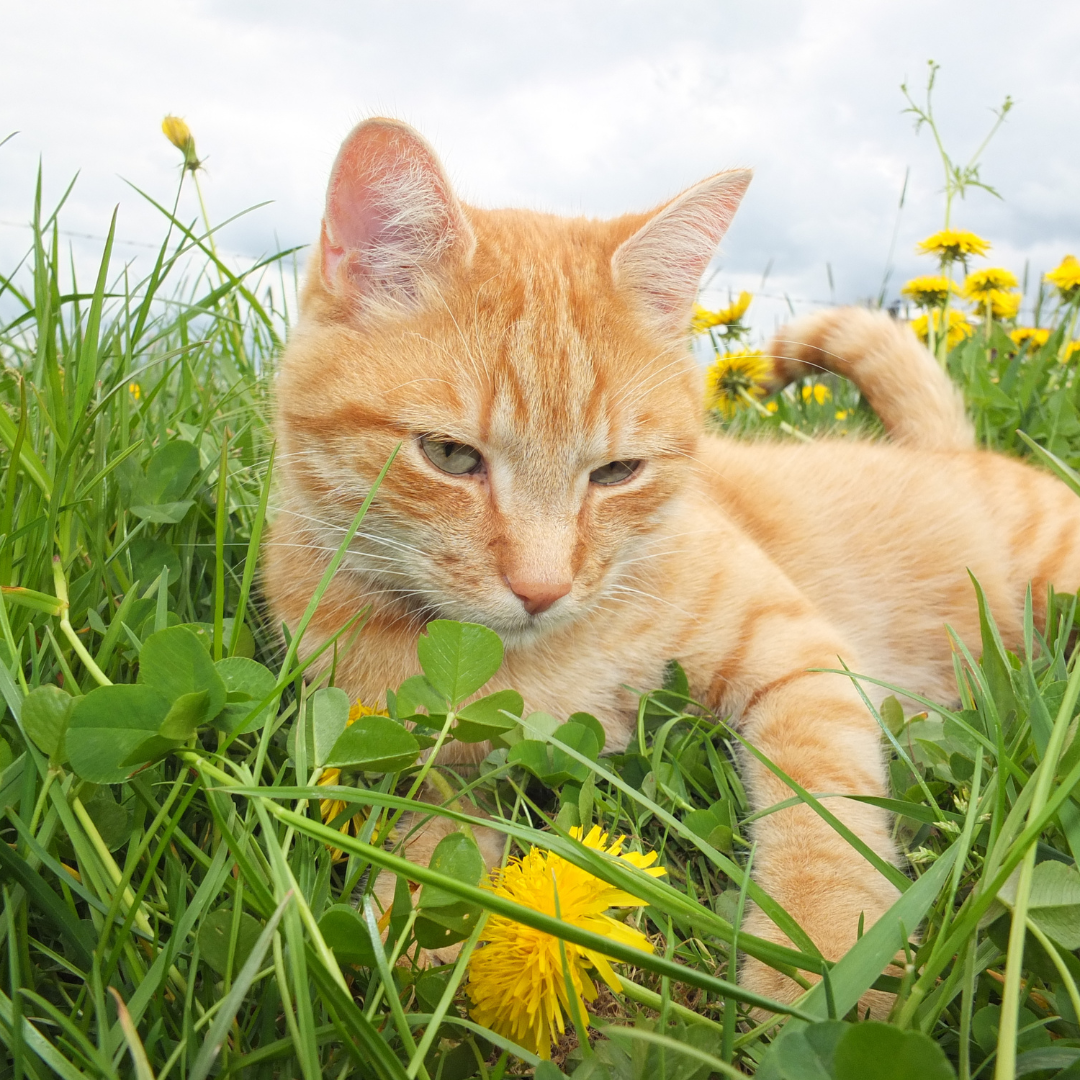
If your dog or cat seems itchier than usual at certain times of the year, seasonal allergies may be the reason. Just like people, pets can react to allergens in their environment, including pollen, grasses, weeds, and mold.
Seasonal allergies can cause much more than an occasional scratch. For some pets, allergies can lead to constant itching, irritated skin, paw licking, ear problems, and recurring infections.
What Causes Seasonal Allergies in Pets?
Seasonal allergies are often triggered by environmental allergens that become more prevalent during certain times of the year. Common triggers include:
Grass and tree pollen
Weeds and flowering plants
Mold spores
Outdoor plants and grasses
Dust and other environmental allergens
Pets are often exposed to these allergens simply by walking, playing, or spending time outdoors. Allergens can also collect on their skin and paws and be carried into the home.
Signs of Seasonal Allergies in Dogs and Cats
Allergies can look different from one pet to another. Some of the most common signs include:
Excessive scratching or itching
Licking or chewing the paws
Red or irritated skin
Hair loss or thinning fur
Recurrent ear infections
Frequent licking or rubbing of the face
Skin odor
Hot spots or sores caused by scratching
Excessive grooming, especially in cats
One of the biggest clues is when the symptoms occur. If your pet becomes noticeably itchier during a particular season or after spending more time outdoors, environmental allergies may be contributing to the problem.
Why Do Allergies Cause So Much Itching?
When a pet's immune system reacts to an allergen, it can trigger inflammation and itching. Unfortunately, scratching, licking, and chewing can damage the skin and make the problem worse.
Once the skin barrier is damaged, bacteria and yeast can take advantage of the irritated skin. This can result in secondary skin or ear infections that require additional treatment.
That's why persistent itching shouldn't simply be treated as "just allergies."
How Can You Help a Pet With Seasonal Allergies?
There are several ways to reduce your pet's exposure to environmental allergens and help keep their skin healthier.
After outdoor activities, wiping your pet's paws and coat with a damp cloth can help remove pollen and other allergens. Regular bathing with an appropriate pet-safe shampoo may also help, but pets with significant allergies often need more than home care.
Your veterinarian can help determine whether allergies are the likely cause of your pet's symptoms and recommend an appropriate treatment plan. Depending on your pet's individual needs, treatment may include medications, medicated bathing, treatment for secondary infections, or other allergy-management strategies.
When Should You Call Your Veterinarian?
If your pet is constantly scratching, licking their paws, developing recurrent ear infections, or creating sores from scratching, it's time to have them evaluated.
There are many possible causes of itching in dogs and cats, including fleas, food allergies, parasites, skin infections, and environmental allergies. Identifying the underlying cause is an important part of choosing the right treatment.
The good news is that seasonal allergies can often be managed successfully. With the right plan, your pet can be more comfortable and spend less time scratching and more time enjoying the season.
If you notice a seasonal pattern to your pet's itching or skin problems, talk with your veterinarian. Keeping track of when your pet's symptoms appear and what they were exposed to can also provide helpful information during the visit.
At Atlantic East Animal Clinic, we're here to help keep your pets comfortable and healthy through every season.